Hydration Analysis
Hydration Analysis
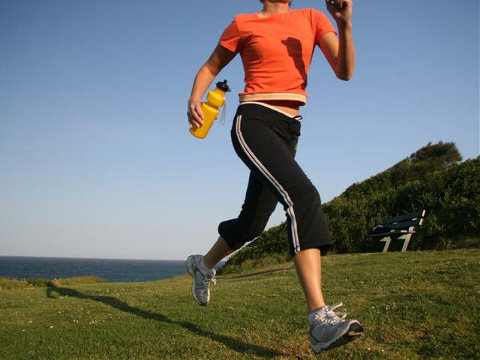 This analysis is possible for all clients. Disturbances in body water and electrolyte balance can adversely affect cellular as well as systemic function, subsequently reducing the ability of humans to tolerate prolonged exercise. During exercise, the body breaks down fuel to produce energy. The body heats up during this process and sweats. Fluid loss through sweating can lead to dehydration. Thirst is often not felt until you are already dehydrated, so it’s prudent not to wait until you are thirsty to take on fluids. Even a small amount of dehydration (1% body weight) can increase cardiovascular strain as indicated by a disproportionate elevation of heart rate during exercise, and limit the ability of the body to transfer heat from contracting muscles to the skin surface where heat can be dissipated to the environment.
As you begin to fatigue both physical and mental abilities start to decrease, which in turn will lead to an increase in the number of mistakes being made. Unless fuel and fluid losses are replenished fully between exercised activities such as training/competition then the result is a gradual and a progressive depletion of energy stores. Such reductions in bodily stores will eventually lead to decreases in quality of both training and recovery with an associated decrease in competitive performance.
Urine samples are collected and tested for hydration levels prior to a training session or competition. The primary objective for replacing body fluid loss during exercise is to maintain normal hydration. One should consume adequate fluids during the 24hr period before an event and drink 500mls of fluid about 2hrs before exercise to promote adequate hydration and allow time for excretion of excess ingested water. To minimize risk of thermal injury and impairment of exercise performance during exercise, fluid replacement should attempt to equal fluid loss. Signs & Symptoms of dehydration include, fatigue, headaches, aches, cramps, dizziness, poor decision making, reduction in work ability by 20-30%, a significant risk of injury and an increase in blood pressure.